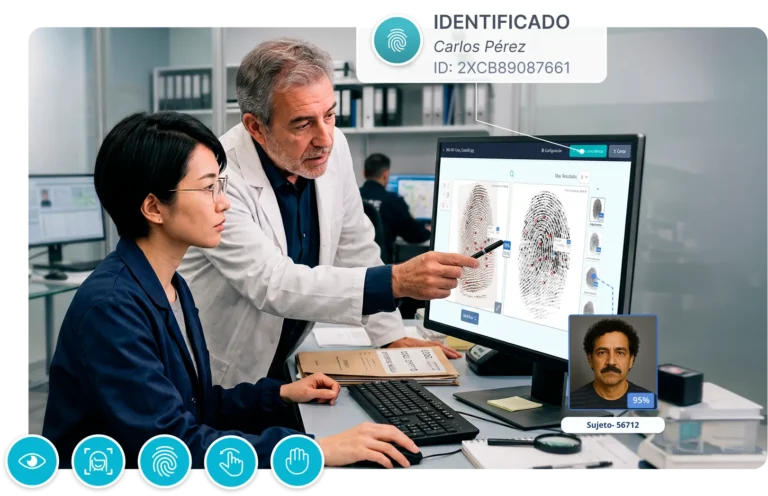
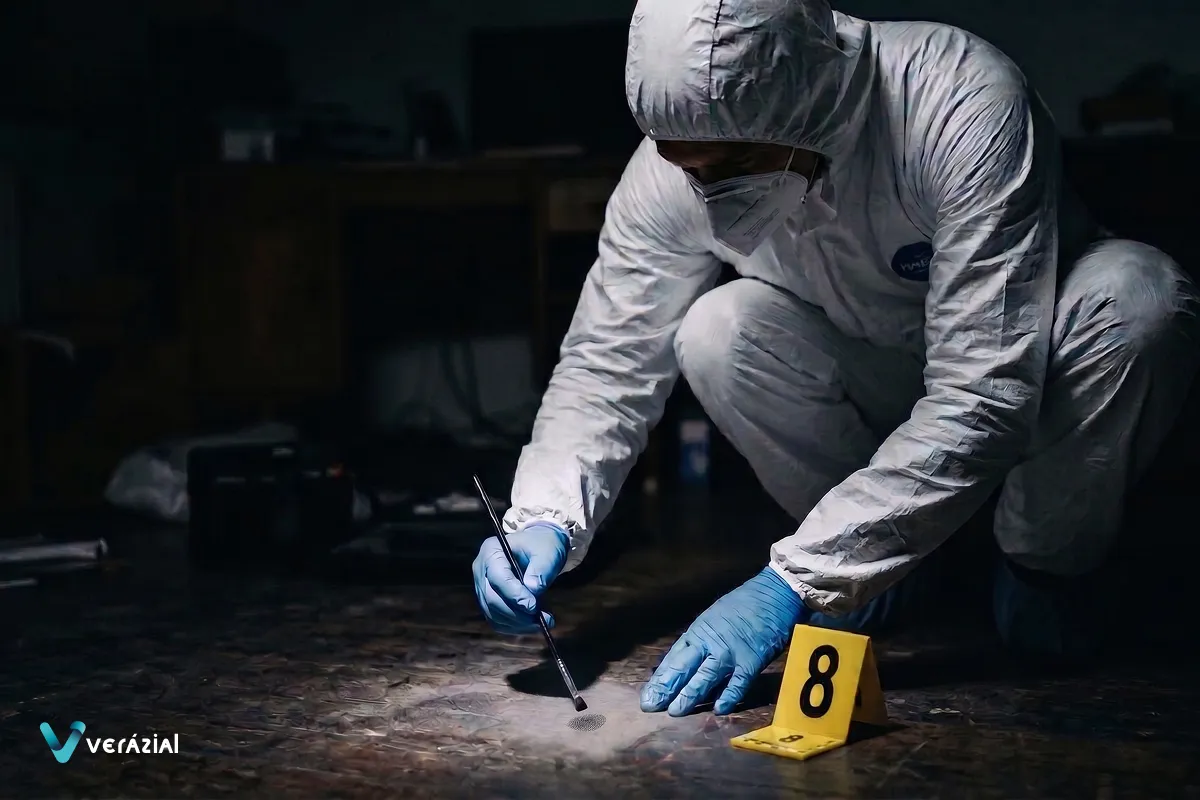
Biometrics that meet the most demanding data protection regulations, such as the GDPR.
Multibiometric
Fingerprint, iris, and facial recognition algorithms.
Multiple platforms
Available for cloud computing, edge computing, centralized servers, and on-device/embedded systems.
Integration
Algorithms designed for easy integration and use by any software.
Biometrics 100% compatible with data protection
Data protection policies increasingly restrict how personal information can be collected and stored, even though that information is often required to access many services. Under the GDPR, the European Union’s data protection law and the strictest in the world, biometric data is classified as a sensitive, special category of data. The same is true, in similar terms, of regulations in the U.S. (HIPAA, BIPA, CCPA) and, to a lesser extent, in other countries.
Verázial ID Core provides the biometric algorithms needed to use biometric solutions without restrictions and in full compliance with data protection laws. Different devices can store user information in encrypted, anonymized form. Using machine learning techniques, identification is performed without handling biometric data linked to individuals, only anonymized data.
It not only improves the efficiency and security of identity recognition, but also sets a new standard for personal data privacy and regulatory compliance across multiple sectors.
Homomorphic encryption
Biometric data is never decrypted, not even during processing.
Anonymization
The biometric database is anonymized and contains no personal data.
Federated Learning
Trains machine learning models without centralizing data, reducing latency and improving privacy.
Backed by Spain's leading R&D agency
The scope of the results pursued by Verázial ID Core, along with the high technological level of VERAZIAL LABS in carrying out the work, has been recognized by the CDTI (Center for Technological Development and Innovation), Spain’s leading R&D support agency. The CDTI has awarded funding under a PID (R&D project) grant for the project “NEXT-GENERATION BIOMETRIC IDENTIFICATION: MAXIMUM SECURITY AND PRIVACY THROUGH HOMOMORPHIC ENCRYPTION, ANONYMIZATION, AND DECENTRALIZED AI,” known by its acronym “PRIVACY BIOMETRICS.”
El proyecto tiene un presupuesto total de 695.000 € de los que 591.000 € son aportados por CDTI en forma de préstamo preferencial con fondos europeos FEDER.
The project has a total budget of €695,000, of which €591,000 is provided by the CDTI as a preferential loan funded by the European Regional Development Fund (ERDF).
Available in 2027
The project is progressing successfully in two phases:
Phase 1
through 31 March 2026
Research, implementation, and performance testing of homomorphic and anonymization algorithms and machine learning models for biometrics.
Phase 2
through 31 May 2027
Optimization of the FHE encryption algorithms, the machine learning models for biometric identification, and the anonymization techniques. Implementation of Federated Learning in a decentralized architecture. NIST and IEEE 2410 certifications.
Final performance testing, validation, certification of models and algorithms, and deployment to production.
We help you implement the most advanced biometric technology in your processes
Legal information
We inform you that VERAZIAL LABS SL is responsible for your personal data, which will be processed for the purpose of managing and processing your request, as well as receiving commercial communications about news, products and services, based on your consent. The personal data collected will be transferred, when necessary, for the development, fulfilment and control of the services requested or contracted and as provided for by law. You may exercise your data protection rights at gdpr@verazial.com.