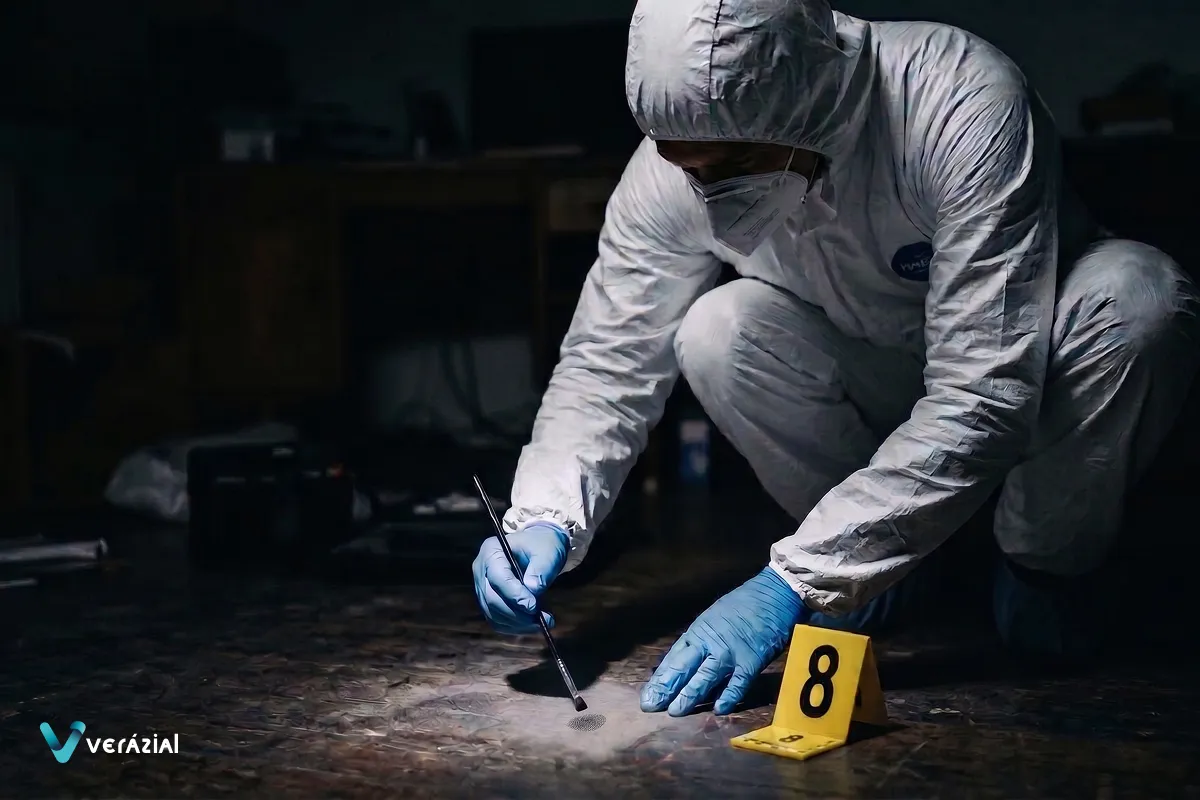

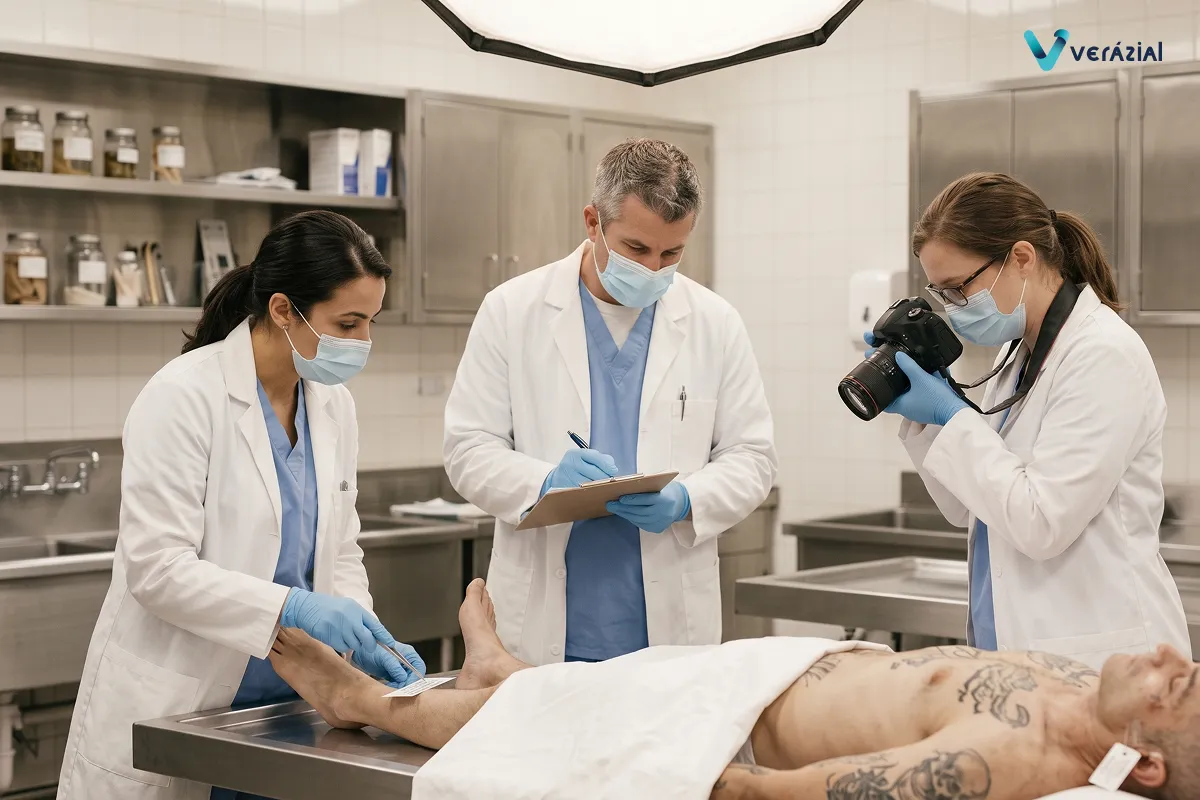
The inability to identify a corpse or locate a missing person leaves an open wound for families and creates a critical gap in the justice system. Every year, thousands of cases remain unsolved due to a lack of precise identification tools. When conventional methods fail, forensic biometrics becomes the solution for establishing an individual’s identity, reducing resolution times, and linking the perpetrator to the crime scene.
The Risks of the Traditional Method
According to the International Organization for Migration (IOM), more than 63,000 people have died or have gone missing along migration routes in the last decade, and more than two-thirds of them remain unidentified. Given this scenario, conventional identification methods have shown numerous limitations:
- Human error in visual identification: Recognition by family members loses all reliability when remains show severe trauma, burns, or advanced decomposition. For this reason, the WHO explicitly discourages this method in its dead body management protocols for emergency situations, always recommending confirmation through biometric markers or DNA. While DNA analysis is the most reliable confirmation tool, its process involves long laboratory testing times and high costs.
- Lack of institutional interoperability: Non-interoperable file systems prevent real-time exchanges between police, morgues, civil registries, and hospitals, whether nationally or internationally. This creates significant gaps in identification, since, for example, a body found in Spain may correspond to a missing person registered in another country.
- Legal consequences: A misidentification can lead to a case being prematurely closed, an innocent person being charged, or families being denied the right to claim their relatives. The National Institute of Justice (NIJ) notes that forensic identification errors are one of the leading factors behind wrongful convictions.
- Financial and operational impact: When a case drags on/becomes protracted, the associated costs, such as the preservation of remains, police investigations, legal proceedings, and psychosocial support for families, become a sustained burden on the judicial system and social services.
Biometrics as a Solution
The application of biometric systems in the forensic field mitigates the risks mentioned above in the following way:
- Identification of human remains: Interpol notes that, in cases of mass casualty incidents, the use of conventional methods significantly slows down the identification process. However, modern AFIS/ABIS biometric identification systems process and match fingerprints from deceased individuals in seconds, despite partial tissue degradation. When traditional fingerprinting isn’t viable, multimodal biometrics offers alternatives, such as facial recognition or post-mortem iris matching, increasing diagnostic accuracy with degraded or partial samples, as detailed in our article AFIS vs. ABIS: What is the difference and Why it matters.
- Locating missing persons who are alive: Biometrics doesn’t only apply to corpses, but also on individuals who have been located but are unable to identify themselves, whether accident victims, people with amnesia, or trafficking victims. These individuals can be identified immediately by comparing their biometric samples with previous records.
- Investigating and identifying suspects: The use of multimodal biometrics offers greatly superior security and accuracy compared to traditional methods, making it possible to transform unreliable physical evidence or unreliable testimony into irrefutable scientific evidence that unambiguously links a suspect to the crime. In criminalistics, palmprints and rolled fingerprints are especially important when analyzing latent evidence at crime scenes. You can find more information on this in our article Forensic Biometrics: The Role of Palmprints and Rolled Fingerprints in Criminalistics.
- Institutional interoperability: As detailed in our article What is the NIST Standard and Why does it matter in Biometrics?, ABIS systems that comply with NIST standards and are compatible with Interpol protocols allow local investigators to automatically cross-reference their data with records from other countries.
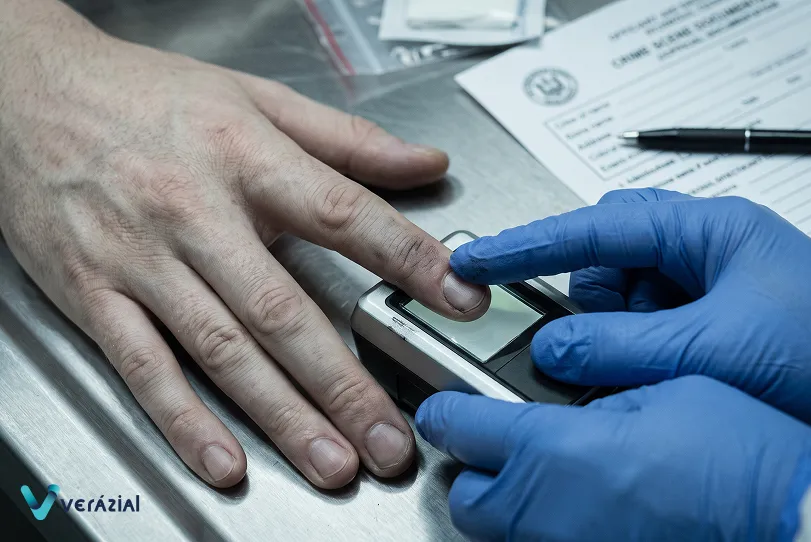
Finally, we invite you to read our article Use of Biometric Technology in Criminal Investigations to learn the key applications of biometric systems in criminalistics and to understand how the forensic scene is changing.
Discover Verázial ID, the comprehensive solution for precise and secure biometric identification in criminalistics, that guarantees the reliability of every piece of evidence and data throughout the investigative process.
Contact us for a demo and/or personalized assessment.
References
- Images © Verázial Labs. All visuals are proprietary AI-generated assets created exclusively for this publication.